



Our approach
What we cover
We handle trade mark registration in the UK and internationally through the WIPO Madrid system. That includes searching for conflicts before you file, advising on which classes of goods and services to register, managing the application process with the Intellectual Property Office (IPO), and dealing with any objections that come back.
We also advise on IP in commercial contracts and transactions: who owns the deliverables under a services contract, how to structure licensing arrangements, and what IP warranties and indemnities should look like in a sale and purchase agreement. One thing we don't do is patent work. Patents require specialist patent attorneys, and if that's what you need, we'll point you in the right direction.


How we work with you
Getting the classes right matters. Registering in the wrong categories leaves gaps. Registering in too many wastes money. We advise on that before anything is filed, then manage the application process through to registration.
Where IP comes up in a contract or transaction, we look at the specific risk you're facing. If you're buying a business, we'll check what IP the target actually owns, whether it's properly documented, and whether there are any third-party rights you need to know about. If you're entering a services contract, we'll look at who ends up owning the work product.
All work is on a fixed fee, agreed before we start. No surprises on the bill.
Who we work with
Creative and digital businesses make up a large part of our IP client base: developers, designers, consultants and content studios where the question of who owns the work is genuinely live, and where agreements need to reflect that clearly. Founder-led agencies, tech businesses and high-growth companies building something worth protecting are the typical profile.
We also work with businesses at the point of sale or investment, where a buyer's lawyers will run IP due diligence and you need to have the right answers. Getting your IP in order before a transaction starts makes the process cleaner and protects your valuation.

Pricing
.svg)
Fixed-fee project
.svg)
Available via subscription
Case Studies


Hear from our clients


Meet the team



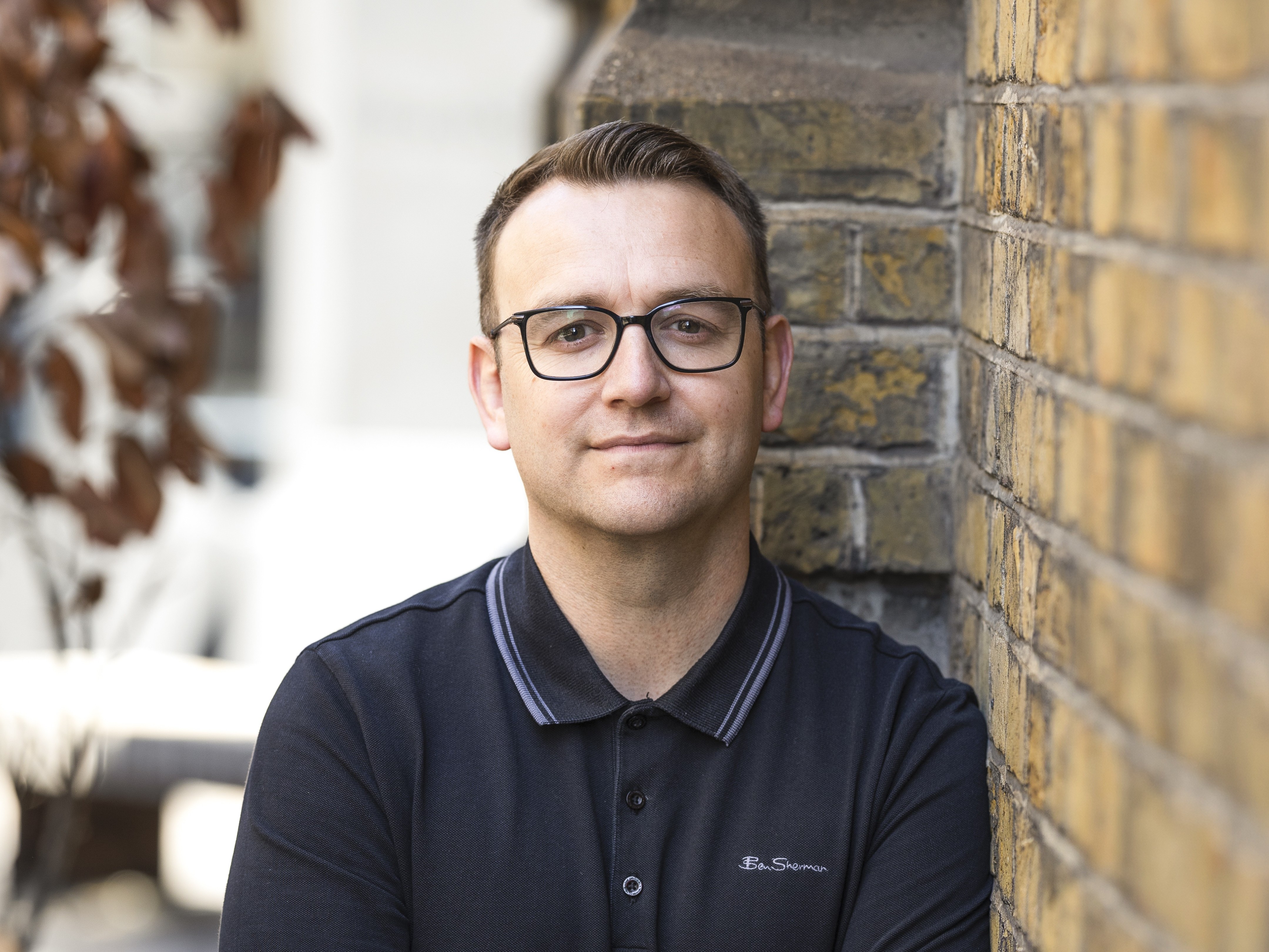
Craig is a corporate and commercial solicitor at Tend Legal, working with founders, business owners and leadership teams as they build, grow and protect their businesses.
He advises on a wide range of matters: mergers and acquisitions, shareholder agreements, company structures, governance and commercial contracts of all kinds. Craig also has a particular interest in intellectual property, and regularly advises on trademark and copyright matters. His IP work has included a matter involving a Premier League and England international footballer, and advising on a copyright assignment connected to a well-known album cover.
Down-to-earth and easy to work with, Craig places a strong emphasis on clear communication and making sure clients feel confident about the decisions they're making. He works closely with agency and commercial clients, acting as an accessible part of their wider advisory team.
Outside of work, Craig is a keen football fan and enjoys spending time with his family.

From the moment she got involved in her parents' businesses at a young age, Nicole knew she had a passion for helping businesses thrive.
A corporate and commercial solicitor, Nicole focuses on the work that matters most to growing businesses: M&A transactions, investment rounds, shareholder agreements and company secretarial support. She also helps clients navigate the commercial side: negotiating and reviewing contracts, advising on joint ventures, and being a steady pair of hands through transactions of all sizes.
Nicole is also working towards an MBA, which tells you something about her character and her love of business. Her advice is grounded in commercial reality, not just legal theory.
When she's not taking care of business, Nicole likes to read, run, play tennis and attend church.


Alistair co-founded Tend Legal with Shona on a simple idea: that small and medium-sized businesses deserve the same quality of legal advice as large companies, without the large firm experience.
As a solicitor with a broad commercial practice, he advises business owners on the full range of issues that come with running and growing a company. That means employment law: advising on settlement agreements, workforce decisions and the day-to-day employment questions that land on founders' desks. It means commercial work: negotiating and reviewing contracts, supplier agreements, and the commercial arrangements that keep a business running. And it means corporate transactions: from business sales and acquisitions to investment rounds, share structures and restructures.
Before co-founding Tend Legal, Alistair was a partner at Woodfords Solicitors in South West London, where he spent over a decade building a reputation for clear, commercial advice to SMEs. He is known for his calm approach, his ability to cut through complexity, and his willingness to give a straight answer.
When not working or acting as taxi driver to his three children, Alistair can be found riding bikes or skateboards, playing various instruments, or at church.


Neelam is a corporate and commercial solicitor with a practical, no-fuss approach to helping businesses get things done.
On the commercial side, she works with agencies, tech companies and growing businesses on the contracts that underpin their operations: drafting, reviewing and negotiating agreements across a wide range of commercial arrangements. On the corporate side, she assists overseas businesses setting up in the UK and forming UK subsidiaries, and has experience of M&A transactions and investment rounds.
Before qualifying as a solicitor, Neelam had a career in legal technology, including as Director of Global Product at LegalZoom. She brings that perspective to everything she does: a deep understanding of what good legal service looks like from the client's side, and how to deliver it.
She's also unfailingly cheerful. Even on Mondays.
When Neelam isn't at her desk, she can often be found upcycling old furniture in her shed, discovering new eateries or testing out recipes on friends and family.

Frequently Asked Questions

No. Companies House registration stops someone else incorporating under the same name, but it doesn't give you any rights to use that name in trade, and it doesn't stop someone with a prior trademark from asking you to change it. A registered trademark is how you properly protect your brand. Many founders only discover this when someone sends a cease and desist letter.
It depends on where you trade or intend to trade. A UK trademark gives you rights in the UK only. If you're selling into Europe, the US, or further afield, you'll need separate protection for those territories. The Madrid system lets you file internationally through a single application, which keeps costs down. We'll advise on the right approach for your situation.
Under UK copyright law, the default position is that a freelancer owns the copyright in their work, even if you commissioned it and paid for it. The only way to transfer ownership to your business is through a written assignment. If your contracts with freelancers don't include a proper IP assignment clause, you may not own the assets you think you do.
The IPO notifies you if someone files an opposition. We advise on whether to defend, negotiate or amend the application. Some oppositions are straightforward to resolve. Others require more detailed engagement. Come to us early. The timelines are tight.
The seller gives you a series of contractual promises about the IP the business owns: that the business has title to it, that it doesn't infringe third-party rights, that there are no pending disputes, and so on. If those promises turn out to be false after completion, you have a claim under the warranty. We draft and negotiate those warranties as part of the sale and purchase agreement, and we advise buyers on what diligence to run before completion to verify the position.