


Your agency's legal team.


The legal side of running an agency can feel overwhelming at times. We're here to help you through it all, from first contracts to final sale.

Protecting your revenue

Building your team

Planning for what's next
Our approach
How we work
We work quickly, communicate clearly, and give you a direct line to a lawyer who knows your business.
We don't charge by the hour. Everything is fixed fee or subscription, agreed upfront, so you know exactly what you're spending before we start.


What clients can expect
Straight answers, not hedged opinions. Practical advice on what to do, not just what the law says.
How we help agencies
Case Studies


Hear from our clients

Most agencies have at least 3 legal blind spots. Do you know yours?
Take the Agency Legal Scorecard: a 2-minute check on the contracts, policies and protections that keep your agency safe.
You've built the team, landed the clients, and the work's going out the door. But when was the last time you looked at what's actually holding it all together? Your client contracts, your IP ownership, how your freelancers are engaged, what happens if a key client doesn't pay. Most agency owners know there are gaps, they just haven't had time to find them. This scorecard asks the questions your lawyer would ask, and tells you exactly where you stand. It takes two minutes. No jargon, no sales pitch. Just a clear picture of where you're covered and where you're exposed.
You'll get your results straight away, plus a short series of practical tips tailored to your scores over the following two weeks.
Your scorecard is ready.
Pop your details below and we'll send you the full breakdown: your score across each area, what's solid, and what needs attention.
Your Agency Legal Scorecard
Score by area
Where to focus
Want to talk through your results?
We work with agency owners to sort out exactly the kinds of issues this assessment highlights: contracts, IR35, IP, the lot. If you'd like a quick call to talk through your score and where to start, you can book a time to speak with us below.
Book a callMeet the team



Alistair co-founded Tend Legal with Shona on a simple idea: that small and medium-sized businesses deserve the same quality of legal advice as large companies, without the large firm experience.
As a solicitor with a broad commercial practice, he advises business owners on the full range of issues that come with running and growing a company. That means employment law: advising on settlement agreements, workforce decisions and the day-to-day employment questions that land on founders' desks. It means commercial work: negotiating and reviewing contracts, supplier agreements, and the commercial arrangements that keep a business running. And it means corporate transactions: from business sales and acquisitions to investment rounds, share structures and restructures.
Before co-founding Tend Legal, Alistair was a partner at Woodfords Solicitors in South West London, where he spent over a decade building a reputation for clear, commercial advice to SMEs. He is known for his calm approach, his ability to cut through complexity, and his willingness to give a straight answer.
When not working or acting as taxi driver to his three children, Alistair can be found riding bikes or skateboards, playing various instruments, or at church.


Craig is a corporate and commercial solicitor at Tend Legal, working with founders, business owners and leadership teams as they build, grow and protect their businesses.
He advises on a wide range of matters: mergers and acquisitions, shareholder agreements, company structures, governance and commercial contracts of all kinds. Craig also has a particular interest in intellectual property, and regularly advises on trademark and copyright matters. His IP work has included a matter involving a Premier League and England international footballer, and advising on a copyright assignment connected to a well-known album cover.
Down-to-earth and easy to work with, Craig places a strong emphasis on clear communication and making sure clients feel confident about the decisions they're making. He works closely with agency and commercial clients, acting as an accessible part of their wider advisory team.
Outside of work, Craig is a keen football fan and enjoys spending time with his family.
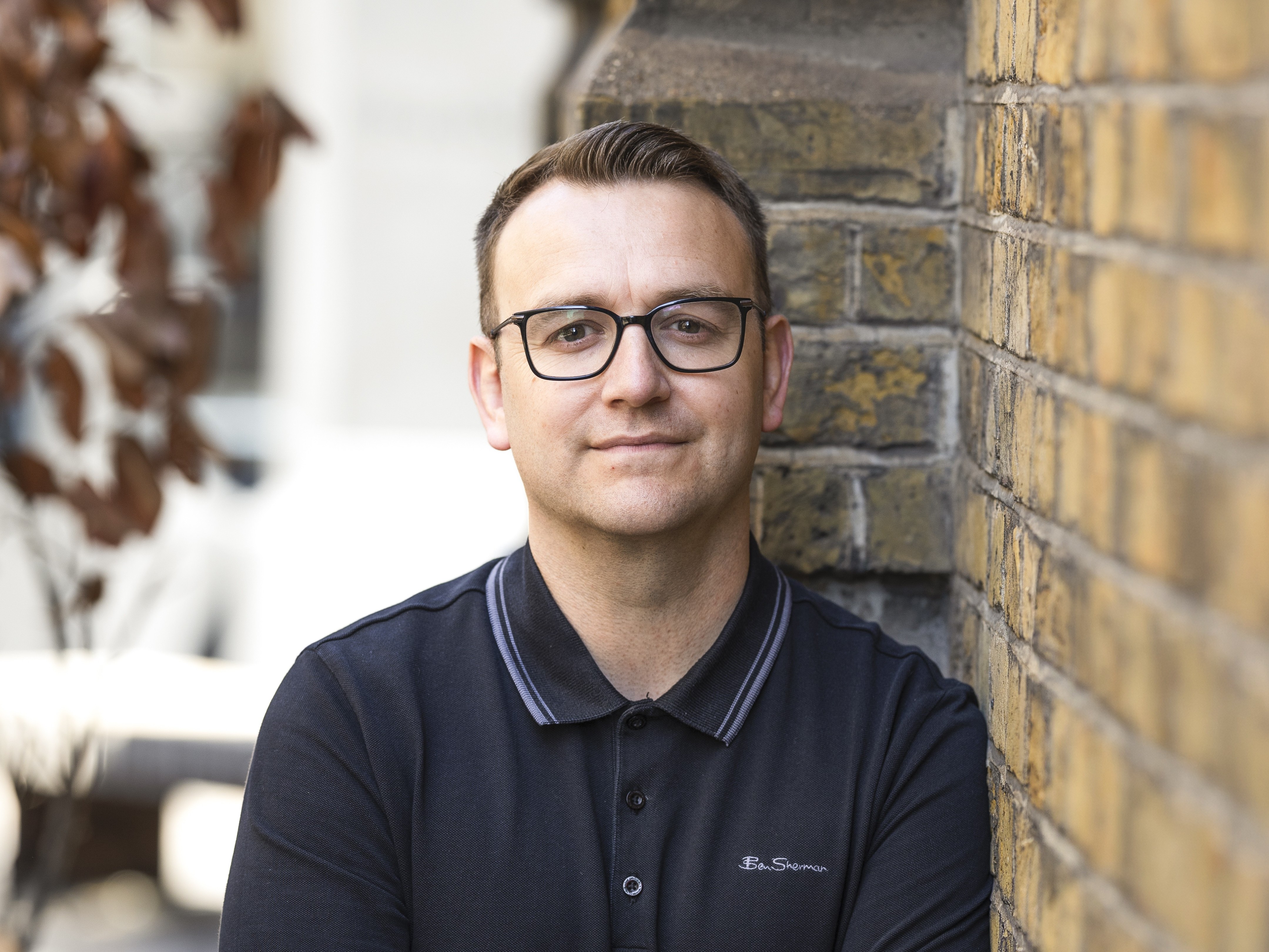

Whether it's putting in place the right documents for your staff, handling tricky processes or dealing with employment disputes, Georgiana will calmly navigate your business through employment law requirements.
Georgiana has acted for clients ranging from start-ups and SMEs across a host of different industries working at both a Legal 500 firm and boutique west end London law firm gaining experience and knowledge from a broad spectrum of clients and cases. She enjoys working with clients as their businesses grow and providing the employment law support, they need at each stage of those journeys.
Having worked on both the employer and employee sides, she has a real insight into how each party is likely to approach a matter. She delivers clear, pragmatic advice and practical solutions in a friendly, no-nonsense manner.
When not crafting bespoke employment solutions, Georgiana can be found running early in the morning, enjoying ballet performances and art exhibitions, going on long walks and being by the sea.


Neelam is a corporate and commercial solicitor with a practical, no-fuss approach to helping businesses get things done.
On the commercial side, she works with agencies, tech companies and growing businesses on the contracts that underpin their operations: drafting, reviewing and negotiating agreements across a wide range of commercial arrangements. On the corporate side, she assists overseas businesses setting up in the UK and forming UK subsidiaries, and has experience of M&A transactions and investment rounds.
Before qualifying as a solicitor, Neelam had a career in legal technology, including as Director of Global Product at LegalZoom. She brings that perspective to everything she does: a deep understanding of what good legal service looks like from the client's side, and how to deliver it.
She's also unfailingly cheerful. Even on Mondays.
When Neelam isn't at her desk, she can often be found upcycling old furniture in her shed, discovering new eateries or testing out recipes on friends and family.


From the moment she got involved in her parents' businesses at a young age, Nicole knew she had a passion for helping businesses thrive.
A corporate and commercial solicitor, Nicole focuses on the work that matters most to growing businesses: M&A transactions, investment rounds, shareholder agreements and company secretarial support. She also helps clients navigate the commercial side: negotiating and reviewing contracts, advising on joint ventures, and being a steady pair of hands through transactions of all sizes.
Nicole is also working towards an MBA, which tells you something about her character and her love of business. Her advice is grounded in commercial reality, not just legal theory.
When she's not taking care of business, Nicole likes to read, run, play tennis and attend church.
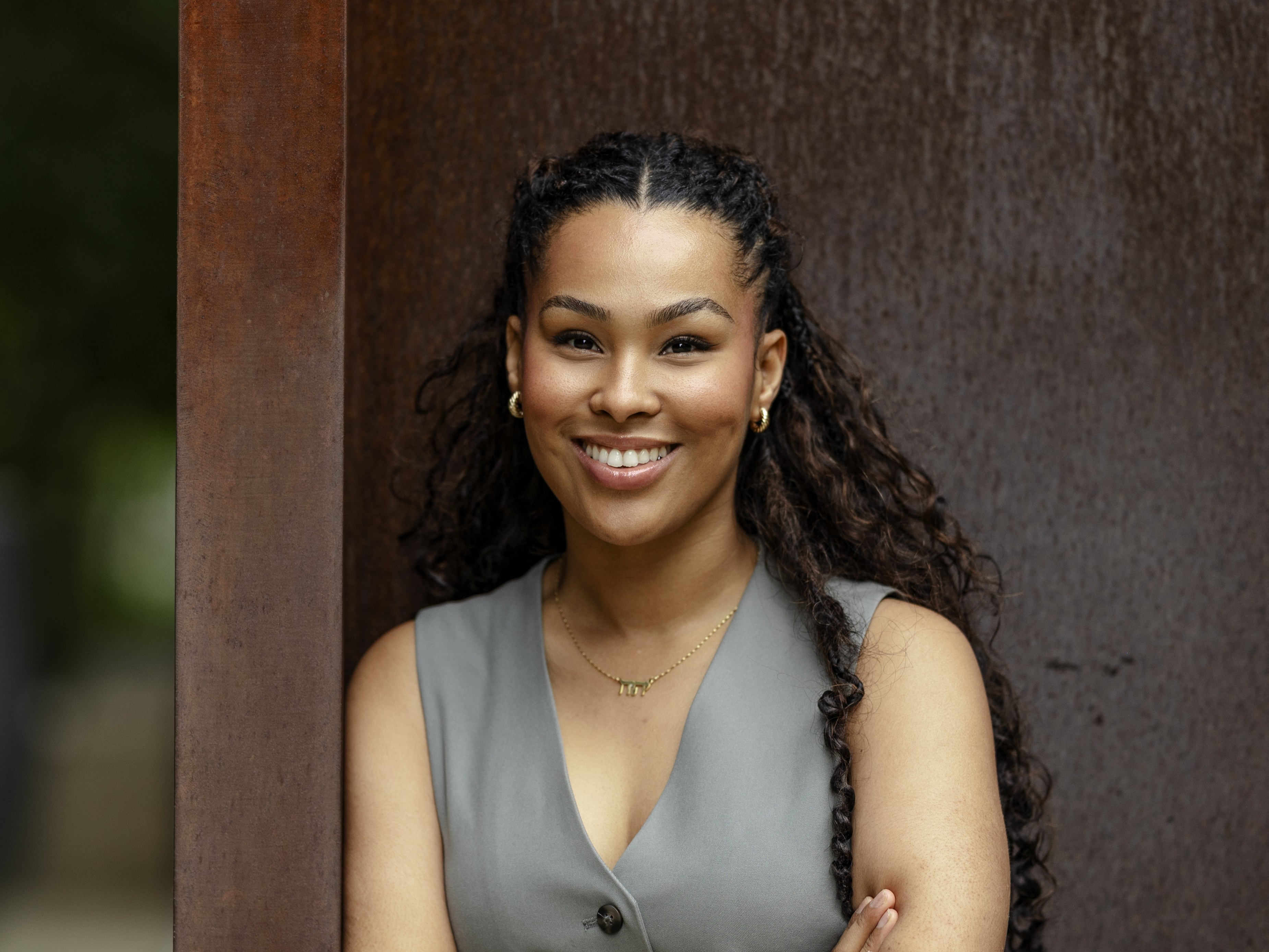
.jpg)
Shona is the force behind Tend Legal's operations. A qualified solicitor, she co-founded the firm alongside Alistair and now leads its marketing, finance and day-to-day management, making sure everything that isn't fee-earning still gets done, and done well.
That combination of legal training and operational instinct means she understands both the law and the business of law: what clients need, what makes a firm run efficiently, and how to build something that actually works as it grows.
When not designing slick workflows, Shona can be found running, practising pilates, drinking tea, saving the planet and listening to 90s indie music (often more than one at the same time). She cooks a chilli so good it can make a grown man cry.

Frequently Asked Questions

Yes. Our agency clients include marketing, creative, PR, digital, branding and design agencies of all sizes. We don't have a minimum fee income or headcount. If you're running an agency and you need good commercial legal advice, you're in the right place.
No. Everything is a fixed fee, agreed upfront before we start. You know what you're paying from day one, and the fee doesn't change unless the scope does. We think this is fairer, and clients tell us it makes working with a lawyer considerably less stressful.
Yes. Many agencies use a mix of permanent staff, freelancers and contractors, and getting the structure right matters, particularly for IR35. We advise on freelancer agreements, contractor terms, IR35 status, and how to structure your workforce to reduce risk without losing the flexibility your business needs.
You might not need to. If your current firm is giving you good commercial advice at a fair price and you feel like they understand your business, that's worth keeping. If you're getting slow turnarounds, vague answers or bills that are higher than expected, it might be worth a conversation. We're not going to hard sell. Just come and have a chat.
Scope disputes are almost always caused by vague drafting. A SOW that describes deliverables in general terms, without specifying what is included and what is not, creates the conditions for disagreement the moment a client has a different expectation from yours.
A good SOW names the deliverables specifically, sets out the number of revision rounds, identifies what the client needs to provide and when, and is clear about what happens if the scope changes. It should also describe what completion looks like, so there's no ambiguity about when your obligations end and when the client's payment obligation kicks in.
Yes. We act for both buyers and sellers in agency transactions. If you're building with a sale in mind, it's worth getting the right legal foundations in place well before you go to market. We can help you think through your shareholding structure, client contracts, employment arrangements and any other factors that will affect how a deal looks to a buyer.