



Our approach
What an MSA and SOW actually do
A Master Services Agreement (or MSA) is the framework contract that sits across your entire relationship with a client. It covers the things that apply to every project: how liability works, who owns the intellectual property, what happens if things go wrong, how either party can exit. The Statement of Work (or SOW) sits beneath it, describing the specific scope, deliverables, timeline and fees for each engagement. Together, they give you a structure that can flex across multiple projects without renegotiating the fundamentals every time.
For agencies and professional services businesses, the MSA and SOW are the commercial paper that matters most. They govern your revenue, protect your work, and set expectations before a project starts. A poorly drafted MSA doesn't just create legal risk, it creates the conditions for every difficult client conversation you'll ever have about scope, payment and ownership.


How we work with you
All of our MSA and SOW work is done on a fixed fee, agreed upfront. You'll know what you're paying before we start, with no surprises when the invoice arrives.
We draft from scratch or review and negotiate counterparty paper, depending on what you need. If you're building your own MSA for the first time, we design it around the way your business actually operates: your project model, your payment terms, your delivery process. If a client or platform has sent you their standard terms, we review them from your perspective and identify the points worth pushing back on. We can mark up the document directly and handle the negotiation through to a position you're comfortable signing.
An MSA that your clients push back on constantly isn't serving you well. The goal is commercial protection that holds up in practice, not just on paper. We write agreements that are clear, proportionate, and built to work in the real world of client relationships.
Who we work with
If your commercial relationships are built on project-by-project engagements, you need an MSA framework that matches how you operate. That typically means founder-led agencies, tech businesses and high-growth companies sending proposals, scoping work and invoicing clients for deliverables.
We have particular depth in the agency sector. We've drafted and negotiated MSAs and SOWs for digital, creative, PR and marketing agencies across a wide range of client types, including enterprise clients whose procurement teams will push hard on the terms. We know the sticking points, we know which clauses matter most, and we know how to build a framework that holds when the relationship comes under pressure.

Pricing
.svg)
Fixed-fee project
.svg)
Available via subscription
Case Studies

Hear from our clients
Meet the team



Craig is a corporate and commercial solicitor at Tend Legal, working with founders, business owners and leadership teams as they build, grow and protect their businesses.
He advises on a wide range of matters: mergers and acquisitions, shareholder agreements, company structures, governance and commercial contracts of all kinds. Craig also has a particular interest in intellectual property, and regularly advises on trademark and copyright matters. His IP work has included a matter involving a Premier League and England international footballer, and advising on a copyright assignment connected to a well-known album cover.
Down-to-earth and easy to work with, Craig places a strong emphasis on clear communication and making sure clients feel confident about the decisions they're making. He works closely with agency and commercial clients, acting as an accessible part of their wider advisory team.
Outside of work, Craig is a keen football fan and enjoys spending time with his family.
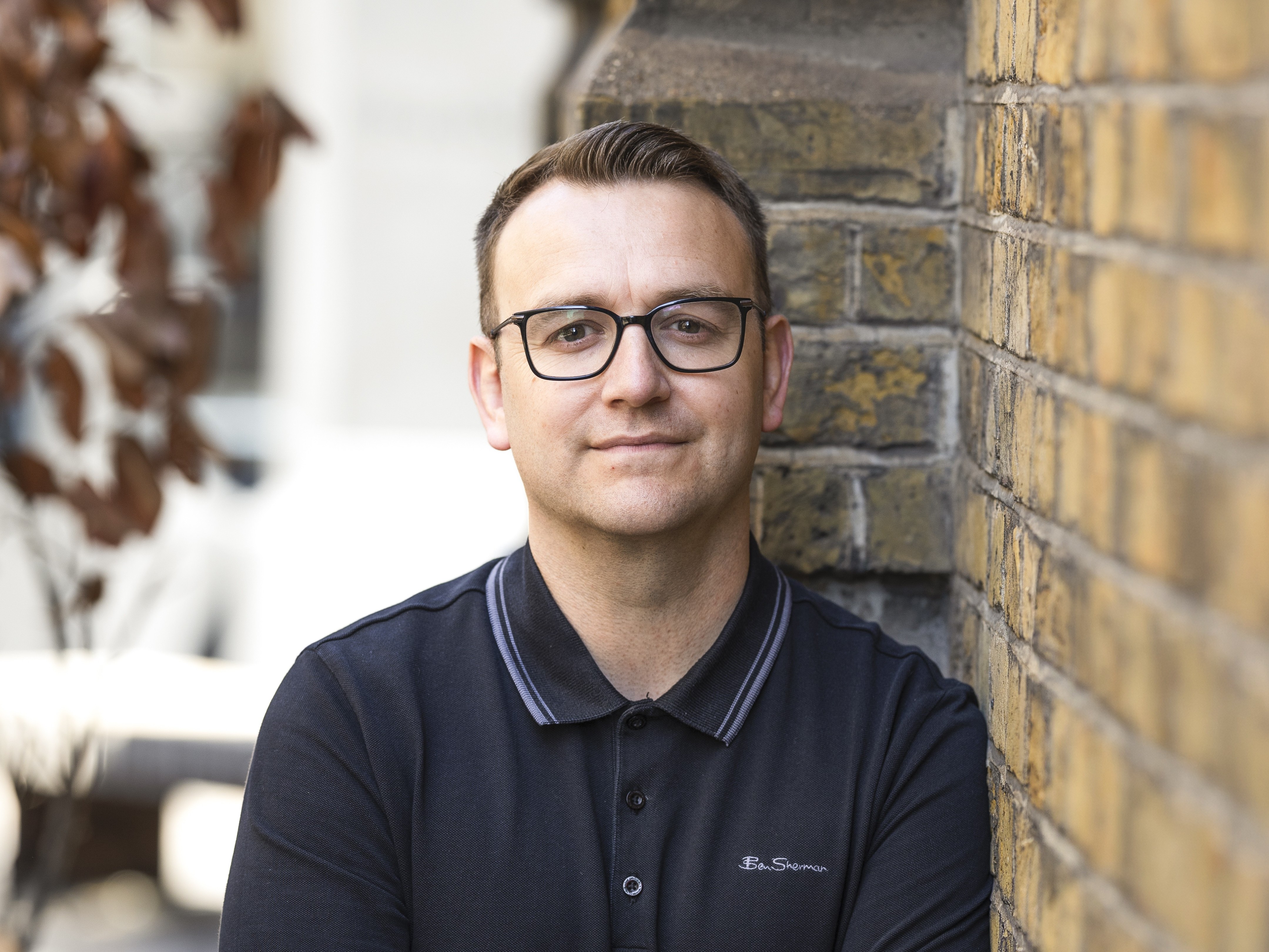

Neelam is a corporate and commercial solicitor with a practical, no-fuss approach to helping businesses get things done.
On the commercial side, she works with agencies, tech companies and growing businesses on the contracts that underpin their operations: drafting, reviewing and negotiating agreements across a wide range of commercial arrangements. On the corporate side, she assists overseas businesses setting up in the UK and forming UK subsidiaries, and has experience of M&A transactions and investment rounds.
Before qualifying as a solicitor, Neelam had a career in legal technology, including as Director of Global Product at LegalZoom. She brings that perspective to everything she does: a deep understanding of what good legal service looks like from the client's side, and how to deliver it.
She's also unfailingly cheerful. Even on Mondays.
When Neelam isn't at her desk, she can often be found upcycling old furniture in her shed, discovering new eateries or testing out recipes on friends and family.


From the moment she got involved in her parents' businesses at a young age, Nicole knew she had a passion for helping businesses thrive.
A corporate and commercial solicitor, Nicole focuses on the work that matters most to growing businesses: M&A transactions, investment rounds, shareholder agreements and company secretarial support. She also helps clients navigate the commercial side: negotiating and reviewing contracts, advising on joint ventures, and being a steady pair of hands through transactions of all sizes.
Nicole is also working towards an MBA, which tells you something about her character and her love of business. Her advice is grounded in commercial reality, not just legal theory.
When she's not taking care of business, Nicole likes to read, run, play tennis and attend church.


Alistair co-founded Tend Legal with Shona on a simple idea: that small and medium-sized businesses deserve the same quality of legal advice as large companies, without the large firm experience.
As a solicitor with a broad commercial practice, he advises business owners on the full range of issues that come with running and growing a company. That means employment law: advising on settlement agreements, workforce decisions and the day-to-day employment questions that land on founders' desks. It means commercial work: negotiating and reviewing contracts, supplier agreements, and the commercial arrangements that keep a business running. And it means corporate transactions: from business sales and acquisitions to investment rounds, share structures and restructures.
Before co-founding Tend Legal, Alistair was a partner at Woodfords Solicitors in South West London, where he spent over a decade building a reputation for clear, commercial advice to SMEs. He is known for his calm approach, his ability to cut through complexity, and his willingness to give a straight answer.
When not working or acting as taxi driver to his three children, Alistair can be found riding bikes or skateboards, playing various instruments, or at church.

Frequently Asked Questions

Most service businesses need both, but the priority depends on where you are. If you're doing repeat work with the same clients, an MSA is essential: it means you're not reinventing the legal terms for every project. The SOW then handles the specifics of each engagement: scope, timeline, fees, deliverables.
If you're just starting out and doing one-off projects, a well-drafted SOW with good standalone terms may be enough to begin with. We'll tell you which approach makes sense for your business model, rather than selling you a document you don't need yet.
The most common issues we see in counterparty paper are unlimited or very high liability exposure, IP assignment clauses that hand over your pre-existing materials alongside the work you create for them, payment terms that don't match your cash flow, and non-solicitation clauses buried in the boilerplate that restrict who you can hire.
None of these are unusual: they're standard positions for a drafter who is protecting their client, not yours. The question is which of them you push back on, and how. We identify the issues that actually matter for your business, rather than generating a long list of theoretical concerns that gets in the way of you signing a good deal.
Intellectual property is one of the most negotiated areas in any agency or professional services MSA. The default position in many client-supplied agreements is that everything you create for the client belongs to them. That may be acceptable for bespoke deliverables, but it should never extend to your pre-existing tools, methodologies, templates or code.
A well-drafted IP clause distinguishes between background IP (what you bring to the project, which you keep) and foreground IP (what you create for the client under this engagement, which they get a licence or assignment to). We make sure that distinction is clear, and that it actually holds in the drafting.
Scope disputes are almost always caused by vague drafting. A SOW that describes deliverables in general terms, without specifying what is included and what is not, creates the conditions for disagreement the moment a client has a different expectation from yours.
A good SOW names the deliverables specifically, sets out the number of revision rounds, identifies what the client needs to provide and when, and is clear about what happens if the scope changes. It should also describe what completion looks like, so there's no ambiguity about when your obligations end and when the client's payment obligation kicks in.
In most cases, yes: that's the point of a master agreement. You draft it once and it travels with you. However, some larger clients, regulated businesses or public sector bodies will insist on using their own paper, in which case you'll be negotiating their terms rather than presenting yours.
We build MSAs that are designed to be your default position: clear enough that straightforward clients sign without much pushback, robust enough that they hold when a client's lawyers take a closer look. Where you do have to work from counterparty paper, we can help with that too.