


%20RESIZE.jpg)
Our approach
What the agreement covers
A shareholders' agreement ("SHA") works alongside your company's articles of association to govern the relationship between shareholders'. Where the articles are a public document filed at Companies House, the SHA is private and can go further: covering reserved matters (decisions that require shareholder approval), share transfer restrictions, pre-emption rights, drag-along and tag-along provisions, anti-dilution protections, and what happens if a shareholder wants to leave or has to.
Every agreement we produce is built around your company: how it is structured, where it is heading, and what matters to the people in it.

%20RESIZE.jpg)
How we work with you
We agree a fixed fee before any work starts, so you know the cost upfront.
Before we draft anything, we take the time to understand the business, the plans, and the dynamic between the shareholders'. We will usually send you a short questionnaire to get the detail we need, then talk you through the key decisions: what provisions to include, how to handle different scenarios, and what the options are. The goal is a document that reflects what you actually want, not a standard set of terms you have not thought about.
We explain what each clause means in plain terms so you can make informed choices. This is your agreement: we are there to advise, not to decide for you.
Who we work with
We work with founder-led agencies, tech businesses and high-growth companies at every stage: co-founders putting a proper structure in place for the first time, businesses taking on investment, existing shareholders' restructuring their arrangements, and management teams preparing for a buyout or exit.
We can advise individual shareholders', groups of shareholders', or the company itself in connection with a shareholders' agreement.

Pricing
.svg)
Fixed-fee project
.svg)
Available via subscription
Case Studies


Meet the team



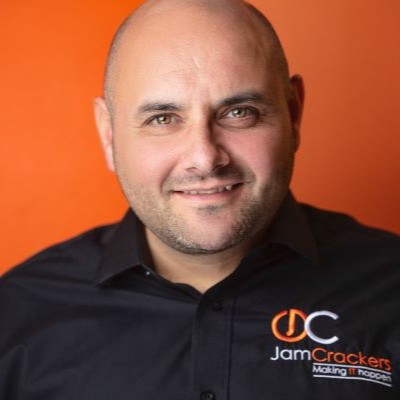
Craig is a corporate and commercial solicitor at Tend Legal, working with founders, business owners and leadership teams as they build, grow and protect their businesses.
He advises on a wide range of matters: mergers and acquisitions, shareholder agreements, company structures, governance and commercial contracts of all kinds. Craig also has a particular interest in intellectual property, and regularly advises on trademark and copyright matters. His IP work has included a matter involving a Premier League and England international footballer, and advising on a copyright assignment connected to a well-known album cover.
Down-to-earth and easy to work with, Craig places a strong emphasis on clear communication and making sure clients feel confident about the decisions they're making. He works closely with agency and commercial clients, acting as an accessible part of their wider advisory team.
Outside of work, Craig is a keen football fan and enjoys spending time with his family.


Neelam is a corporate and commercial solicitor with a practical, no-fuss approach to helping businesses get things done.
On the commercial side, she works with agencies, tech companies and growing businesses on the contracts that underpin their operations: drafting, reviewing and negotiating agreements across a wide range of commercial arrangements. On the corporate side, she assists overseas businesses setting up in the UK and forming UK subsidiaries, and has experience of M&A transactions and investment rounds.
Before qualifying as a solicitor, Neelam had a career in legal technology, including as Director of Global Product at LegalZoom. She brings that perspective to everything she does: a deep understanding of what good legal service looks like from the client's side, and how to deliver it.
She's also unfailingly cheerful. Even on Mondays.
When Neelam isn't at her desk, she can often be found upcycling old furniture in her shed, discovering new eateries or testing out recipes on friends and family.


From the moment she got involved in her parents' businesses at a young age, Nicole knew she had a passion for helping businesses thrive.
A corporate and commercial solicitor, Nicole focuses on the work that matters most to growing businesses: M&A transactions, investment rounds, shareholder agreements and company secretarial support. She also helps clients navigate the commercial side: negotiating and reviewing contracts, advising on joint ventures, and being a steady pair of hands through transactions of all sizes.
Nicole is also working towards an MBA, which tells you something about her character and her love of business. Her advice is grounded in commercial reality, not just legal theory.
When she's not taking care of business, Nicole likes to read, run, play tennis and attend church.
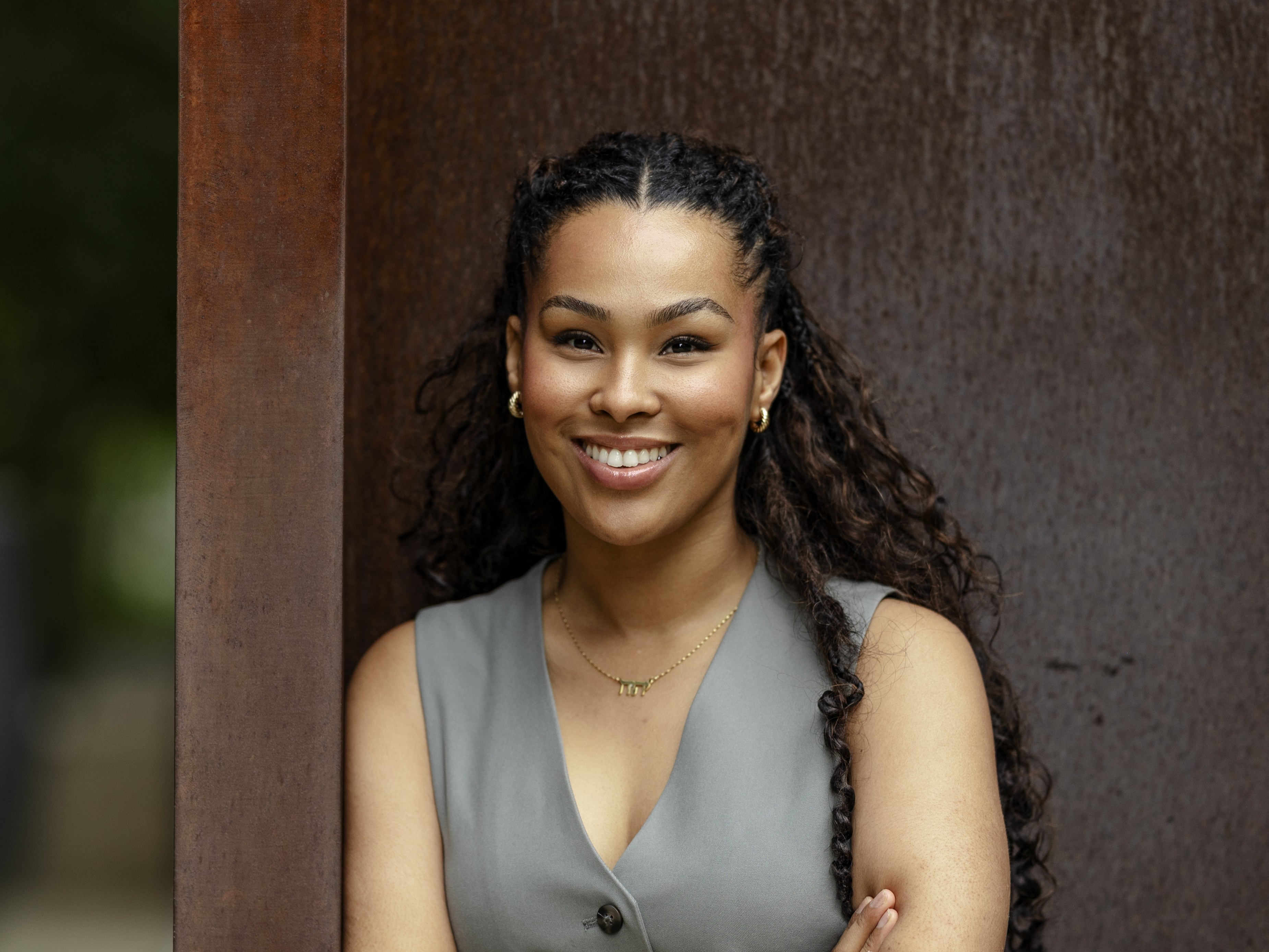

Alistair co-founded Tend Legal with Shona on a simple idea: that small and medium-sized businesses deserve the same quality of legal advice as large companies, without the large firm experience.
As a solicitor with a broad commercial practice, he advises business owners on the full range of issues that come with running and growing a company. That means employment law: advising on settlement agreements, workforce decisions and the day-to-day employment questions that land on founders' desks. It means commercial work: negotiating and reviewing contracts, supplier agreements, and the commercial arrangements that keep a business running. And it means corporate transactions: from business sales and acquisitions to investment rounds, share structures and restructures.
Before co-founding Tend Legal, Alistair was a partner at Woodfords Solicitors in South West London, where he spent over a decade building a reputation for clear, commercial advice to SMEs. He is known for his calm approach, his ability to cut through complexity, and his willingness to give a straight answer.
When not working or acting as taxi driver to his three children, Alistair can be found riding bikes or skateboards, playing various instruments, or at church.

Frequently Asked Questions

The articles of association are a public document, filed at Companies House, that sets out the basic rules for how the company is governed: how shares are issued, how directors are appointed, how meetings are run. Every company has them.
A shareholders agreement is a private contract between the shareholders. It can cover matters the articles cannot, including confidentiality obligations, restrictions on what shareholders can do (such as competing with the company), detailed exit provisions, and decision-making arrangements that go beyond what company law requires. Because it is private, it does not appear on the public register.
Most well-structured businesses have both. The SHA does the heavy lifting on the commercial relationship between shareholders; the articles handle the company law mechanics.
Yes, and arguably this is when it matters most. Two-founder businesses are the most common source of shareholder disputes, because the structure often means neither party can force a decision. Without a SHA, you are relying on goodwill and the default position under company law, which is rarely what either party actually wants.
A well-drafted SHA between co-founders should cover what happens if one of you wants to leave, what happens if you cannot agree on a major decision, how shares are valued if someone exits, and whether a departing founder can compete with the business. These are uncomfortable conversations to have, but far easier to have at the start than in the middle of a dispute.
Almost certainly yes, and the investor will almost certainly ask for one. Investors typically want minority protections: reserved matters they have a veto on, information rights, anti-dilution provisions, and rights to follow their investment in future rounds.
If the investor's solicitors send you a SHA, it will be drafted to protect the investor. We review it from your perspective as founder, advise on what is standard and what is not, and negotiate the points that matter. Some provisions that look routine are more significant than they appear.
If there is no shareholders agreement in place, the answer depends on the percentage holdings and what company law provides. In many cases, a 50/50 deadlock means the company cannot function. Even where one shareholder has a majority, minority shareholders have some protections under law, but they are limited.
A good SHA includes a deadlock mechanism: a structured process for resolving disputes, which might include mediation, a casting vote for the chair, or ultimately a buy-sell provision (sometimes called a shotgun clause) that gives one party the right to buy out the other at a price they set. The right mechanism depends on the structure of the business and the relationship between the parties.
Yes, but usually only with the unanimous consent of all shareholders who are party to it, unless the agreement itself provides a different threshold for amendments. This is one reason why it is worth getting the document right at the start rather than assuming it can be easily updated later.
If the shareholder base changes significantly, for example through a new investment round, the SHA will typically need to be replaced or supplemented with a new agreement that reflects the new structure. We can advise on whether an amendment or a full replacement is the right approach.